Elevate Your Visual Design with Gilded Cardboards Vol. 1
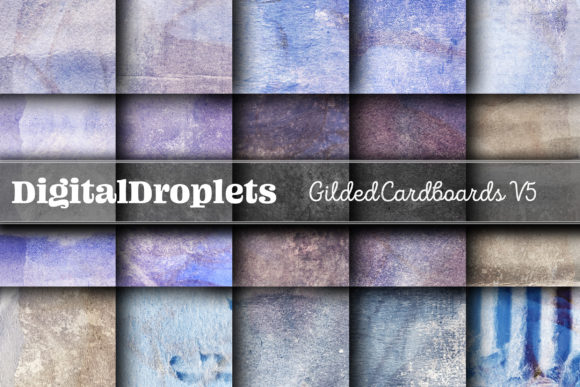
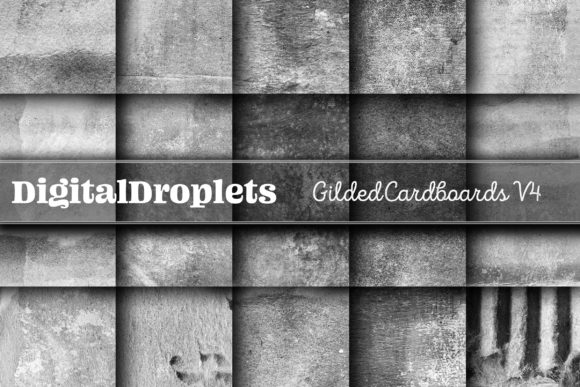
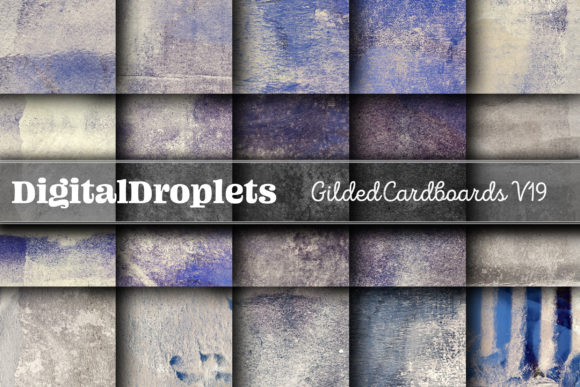
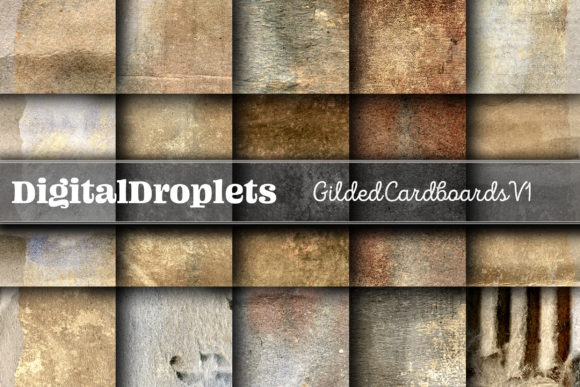
Every compelling visual narrative begins with a foundation that sets the tone, and the right background texture can instantly communicate depth, history, and authenticity. The Gilded Cardboards Vol. 1 | Collection provides precisely this—a versatile set of digital papers designed to infuse projects with a rich, tactile aesthetic. This curated collection of 10 unique, high-resolution backgrounds masterfully blends the raw, organic feel of cardboard with distressed, grungy textures, each featuring its own distinctive border. For designers and creators, it’s more than just a paper set; it’s a tool for building instant visual character.
The Role of Texture in Modern Graphic Design
In an era dominated by clean digital interfaces, incorporating textured elements like those from the Gilded Cardboards Vol. 1 | Collection creates a powerful counterpoint. These textures add a layer of warmth, nostalgia, and handcrafted quality that flat colors cannot achieve. They guide the viewer's eye, establish a clear visual hierarchy, and make digital creations feel more tangible and engaging. This approach is central to several key design trends, including:
- Brand Identity & Logo Design: Using a textured background in brand collateral or as part of a logo presentation adds a unique, memorable layer that can differentiate a brand in a crowded market.
- Marketing & Social Media Graphics: Textured backgrounds stop the scroll. They provide a visually interesting stage for product photography, promotional text, and calls-to-action, enhancing click-through rates and engagement.
- Web & UI Design: When used strategically—for hero sections, blog post headers, or card UI elements—these papers can break up sterile layouts and guide user experience (UX) with subtle, sophisticated depth.
Practical Applications for Creative Assets
The true value of a resource like the Gilded Cardboards Vol. 1 | Collection lies in its adaptability across a project's lifecycle. These assets are engineered for seamless integration into a professional design workflow, serving as a cornerstone for a wide array of creative projects. Consider these applications to maximize their potential:
- Editorial & Print Design: Ideal for magazine layouts, book covers, and poster backgrounds where a vintage or industrial feel is desired. The 300dpi, 12x12 inch format ensures crisp, print-ready results.
- Packaging & Merchandise: The gilded and grungy textures are perfect for creating authentic-looking labels, hang tags, and merchandise mockups that convey a premium, artisanal quality.
- Digital Products & Invitations: Craft stunning e-book covers, course materials, or digital invitations that feel special and substantial, enhancing perceived value.
- Scrapbooking & Junk Journaling: As its core inspiration, this collection excels here, providing the perfect, unique backgrounds for photo albums, memory books, and mixed-media art, complete with built-in borders for framing.
Integrating Texture with Design Fundamentals
To leverage these assets effectively, it's crucial to consider the broader design principles. A textured background should complement, not compete with, your primary content. Always evaluate how it interacts with your chosen typography—ensuring sufficient contrast for readability—and your overall color palette. The "gilded" aspects in these papers can be used to highlight metallic accents in your design. Furthermore, think about composition and visual hierarchy. Use the textures to frame key information or create focal points, ensuring your message remains clear and your layout remains balanced and professional.
Ultimately, thoughtful design is about making intentional choices that align with a project's goals and audience. Integrating high-quality, versatile creative assets like the Gilded Cardboards Vol. 1 | Collection into your toolkit empowers you to work more efficiently while consistently achieving a polished, professional result. It’s about building a library of resources that enhance your creative expression and strengthen your visual communication, ensuring every project tells a compelling story.