Gilded Cardboards Vol. 7: Vintage Texture for Modern Design
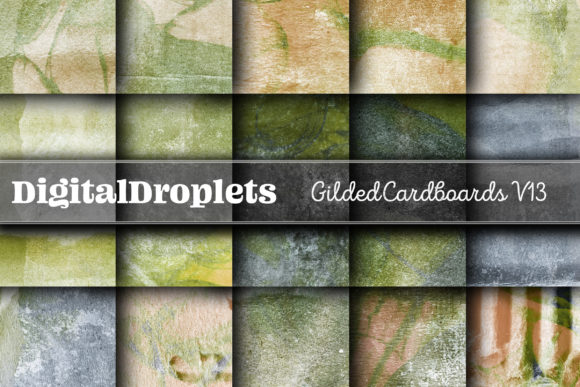
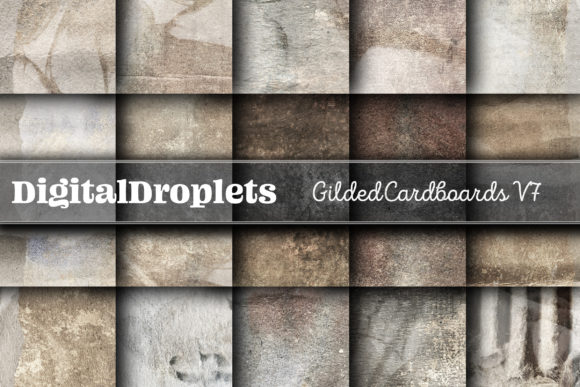
In a digital landscape saturated with clean lines and flat aesthetics, the tactile, weathered charm of the Gilded Cardboards Vol. 7 | Collection offers a powerful counterpoint. This thoughtfully curated set of 10 high-resolution 12x12 inch papers, each with a unique border, blends authentic cardboard textures with shabby, grungy overlays. It’s more than just a background pack; it's a versatile design asset that injects immediate depth, character, and a sense of history into any creative project, from branding to digital storytelling.
The Strategic Value of Textured Assets in Visual Communication
Effective graphic design is about more than arranging elements; it's about evoking emotion and guiding perception. The distressed, layered look of the Gilded Cardboards Vol. 7 | Collection taps into a major design trend that values authenticity and handcrafted appeal. For designers and marketers, this translates to tangible benefits. In branding, these textures can soften a corporate identity, making it feel more approachable and artisanal. In user interface (UI) design, a subtle paper texture can improve user experience (UX) by adding warmth and reducing the sterility of a purely digital interface, making interactions feel more engaging.
Practical Applications Across Creative Disciplines
The utility of a high-quality texture set like this spans numerous fields. Its adaptability makes it a cornerstone asset for any designer's library. Consider its application in:
- Branding & Marketing: Use as a background for logo presentations, business cards, and stationery to build a brand identity with vintage or rustic nuance. It’s perfect for brands in artisanal goods, boutique retail, or heritage services.
- Digital Content Creation: Elevate social media graphics, blog headers, and website hero sections. The unique borders within the set are ideal for creating cohesive, visually interesting frames for quotes, promotions, and announcements.
- Editorial & Print Design: Form the foundation for scrapbook pages, junk journals, and photo albums. In editorial layouts, they provide a compelling backdrop for typography and imagery, enhancing visual hierarchy and reader engagement.
- Packaging & Product Design: Add a layer of tactile interest to product packaging, gift wrap, and tags. The texture suggests quality and care, aligning perfectly with print design for invitations, menus, and event collateral.
Integrating Textures into Your Design Workflow
Simply having a great texture is only half the battle; using it effectively is key. When incorporating elements from the Gilded Cardboards Vol. 7 | Collection, consider your broader design system. Ensure the texture’s color palette and mood align with your project’s goals. For instance, a warm, sepia-toned paper works well for nostalgic themes, while a cooler, slate-gray variant might suit a more modern, industrial aesthetic.
Layering is a fundamental technique. Use these papers as a base layer, then apply your typography, graphics, and other imagery on top. Experiment with blend modes like Multiply, Overlay, or Soft Light in your design software to seamlessly integrate the texture with your other elements. This technique helps maintain readability and ensures your message isn’t lost. Remember, the goal is to use texture to support your visual hierarchy, not overwhelm it. The included 300dpi, 12x12 inch files provide ample resolution for both digital and large-format print design, ensuring scalability without quality loss.
Ultimately, the power of a resource like the Gilded Cardboards Vol. 7 | Collection lies in its ability to transform a flat design into a rich, layered experience. By thoughtfully selecting and applying these textured backgrounds, you can bridge the gap between the digital and the tactile, create more memorable brand touchpoints, and produce work that resonates on a deeper level. In the realm of visual communication, such nuanced details are what separate the ordinary from the exceptional, making quality creative assets an invaluable investment in your design workflow and final output.